Apartment photoshoot styling begins with the shot list
Read more
Styling follows the shot list, not the other way around. Before anyone buys a pillow, the marketing team, the photographer and the stylist should agree on which images are needed, where they will run and in what orientation. Website heroes and listing sites want horizontal frames. Social channels want vertical ones. A brochure or leasing screen may need a detail shot with room for text.
Rank the list by what sets the community apart from its competitive set. If the rooftop lounge is the reason to choose the building, it gets the best light and the most styling time. A typical lease-up list covers:
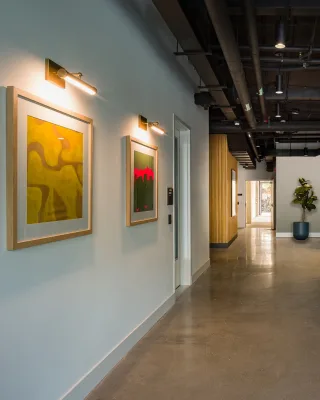
- Arrival: the entry, the lobby and the leasing area as a prospect first sees them.
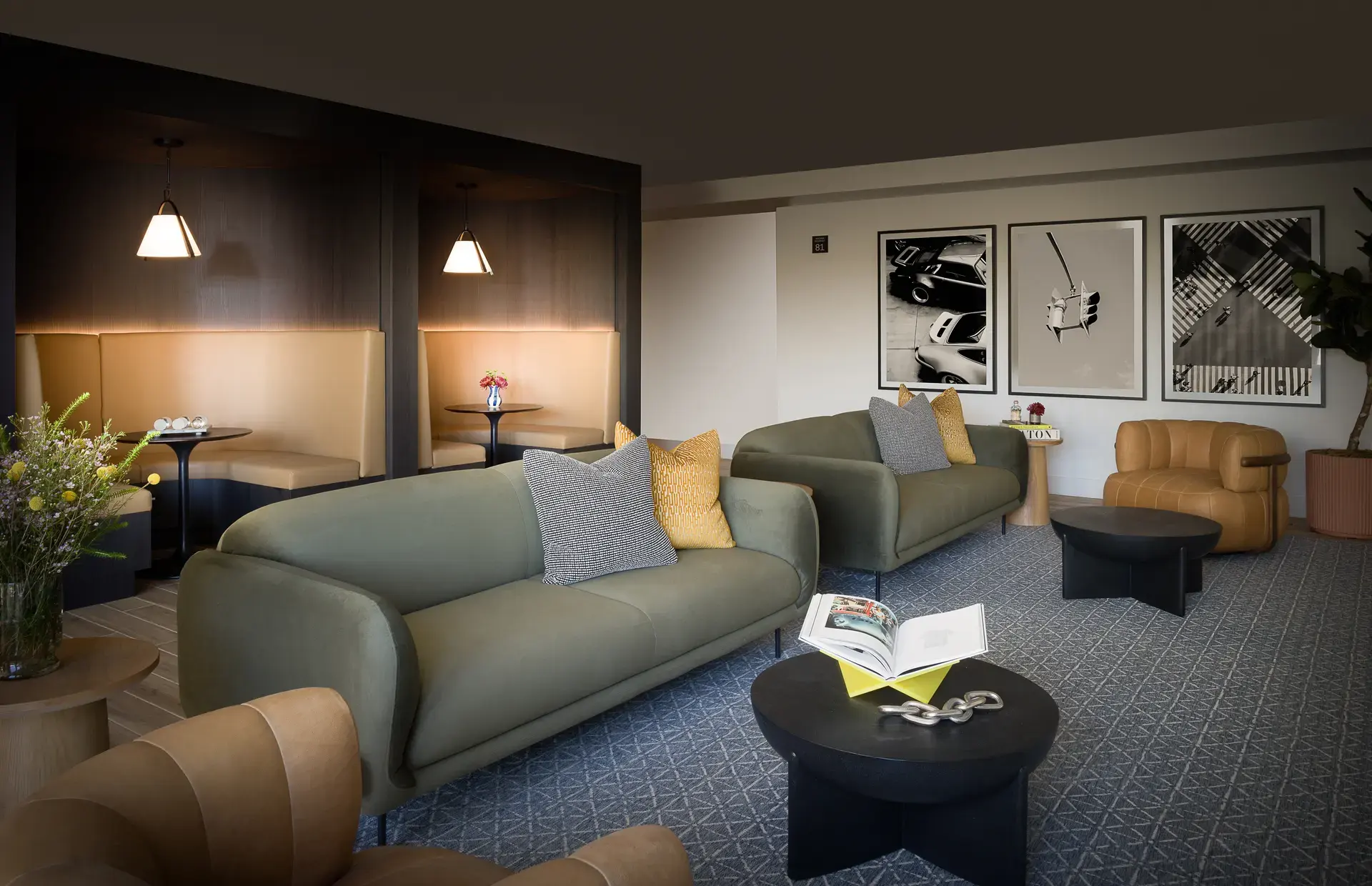
- Primary amenities: the clubroom or lounge, fitness, coworking and any signature space, each with a wide shot and one or two details.
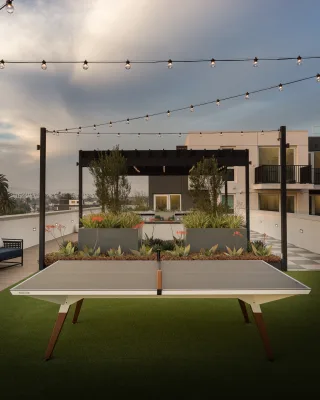
- Outdoor spaces: the pool deck, courtyard, rooftop or grilling area, often at dusk.
- Model units: living and kitchen, primary bedroom, bath vanity and any feature such as a balcony view or walk-in closet.
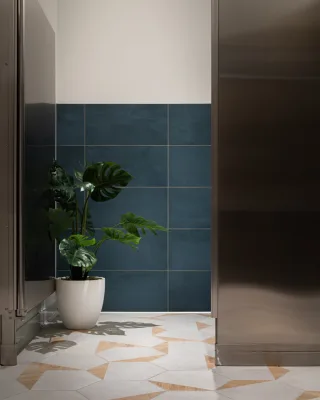
- Practical amenities: the package room, pet wash or bike storage, shot cleanly and quickly.
Getting the building ready for the lens
Read more
Cameras find what tours forgive. A few days before the shoot, walk every space on the list with the property manager and the contractor and write a punch list for the camera rather than for occupancy. Anything that cannot be fixed in time should be noted so the photographer can frame around it or flag it for retouching.
- Protective film on appliances, stickers on windows and fixtures, and tape on floors.
- Construction dust on ledges, glass and dark countertops.
- Burned-out lamps, and bulbs of mixed color temperature in the same room.
- Window shades set at different heights across a run of windows.
- Visible cords, power strips, thermostats still wrapped in plastic and loose cover plates.
- Temporary signage, promotional banners and leasing-desk paperwork.
- Landscaping that is missing or still looks freshly planted.
Making amenity spaces look used
Read more
Amenity furniture is usually arranged for daily operation, which tends to look sparse in a wide frame. The fix is rarely more furniture. It is signs of life, a reason to sit down in each zone.
In a clubroom, pull a few chairs slightly away from the table, set a game mid-play, leave a book open on a side table and stage the coffee bar as if someone is about to use it. In fitness, rack the weights in order, roll a few towels and leave a water bottle on a bench. On the pool deck, open the umbrellas, put the cushions out and fold towels on a couple of loungers. In coworking, turn on the desk lamps and leave a notebook and pen at one or two seats.
Each vignette should read clearly at the size of a phone screen. If a styling detail only makes sense when the image is enlarged, it is too small to help.
Model units that tell one resident's story
Read more
A model unit photographs best when it looks like one specific person lives there. Decide who that resident is, in line with the property's actual renter profile, and let that decision steer the art, books, kitchen items and closet contents.
Scale matters more on camera than in person. Oversized furniture makes a room look smaller in a photograph, while pieces slightly reduced in scale, with visible floor around them, make it read as generous. Leave clear paths through each room so the viewer's eye can travel.
The bed carries the bedroom image, so layer the bedding and keep pillows in proportion to the bed. In the kitchen, a cutting board, a bowl of fruit and a cookbook are enough. In the bath, folded towels and one plant or tray finish the vanity. A partly filled closet with matching hangers shows storage without looking crowded.
Textiles, objects and what the lens picks up
Read more
Texture photographs better than pattern. Boucle, linen, wool and knit throws give a lens something to hold, while small, busy prints can shimmer or blur on screen. Pick one or two accent colors drawn from the interior palette and repeat them across the room so it reads as composed.
Accessories need to be larger than instinct suggests. Small objects disappear in a wide shot, so group pieces together and favor fewer, bigger items. Plants add life, though live plants need care and can look tired by the end of a long shoot. Good quality artificial greenery is often the better choice for permanent amenity spaces.
Keep out anything that dates or distracts: readable brand names, screens showing content, personal photos and seasonal decor. Televisions are a special case, because a black screen reads as a hole in the frame. Angle the shot to minimize it or show a neutral image.
Light, time of day and shoot order
Read more
Plan the shoot around the sun. Rooms facing east usually photograph best in the morning and rooms facing west later in the day, while harsh direct sun across a floor creates hot spots and deep shadows that are hard to fix afterward. Exteriors, pools and rooftops often look their best at dusk, with every fixture on and some color still in the sky.
Inside, turn on every light in the frame and confirm the bulbs match in color temperature. Set all shades to the same height. Then sequence the day so styling stays one room ahead of the photographer: while one space is being shot, the next is being dressed. Build in a weather backup, especially for outdoor amenities, and keep a short list of interior shots that can fill a cloudy morning.
Common mistakes that make rooms look empty or cluttered
Read more
Most problems on shoot day come from a handful of repeat errors, and nearly all of them are easier to prevent than to retouch.
- Furniture pushed flat against the walls, leaving bare floor in the middle of the frame.
- Too few pieces in a large amenity room, so the space reads as unfinished rather than open.
- Every surface covered, which turns a styled room into a crowded one.
- Accessories that are all the same small size, with nothing to anchor the eye.
- Mixed lighting color, which makes walls look patchy and wood tones look off.
- Staff belongings, cleaning carts or a leasing desk left in working mode.
- Shooting before the last FF&E delivery arrives, then trying to hide the gap.
Photoshoot styling at Level Up Interiors
Read more
Level Up Interiors takes on photoshoot styling as a standalone scope, from a single model unit to a full set of amenity spaces. Our founder, Laura Velasco, began her career in model home merchandising, and that eye for how a room reads to a prospect carries into how we style for the camera.
By the Level Up Interiors team. Published 2026-10-10.