The amenities tied to a routine get used
Read more
Ask property managers which spaces see traffic on an ordinary Tuesday and the answers are usually practical. Residents pick up packages, work out, take the dog out, grab a seat with a laptop and cook outside on warm evenings. Each of those habits exists whether or not the property supports it, so an amenity that makes the habit easier gets used without any marketing.
That is the most useful test for any item on an amenities list: does it attach to something residents already do several times a week. If it does, the design work is about convenience and capacity. If it does not, the space needs a programming plan, an operator who will run events, or a smaller footprint.
- Package pickup: used by nearly every household, often daily.
- Fitness: steady use when the room is open long hours and not crowded with equipment.
- Pet relief and pet wash: heavy use in pet-friendly communities, and a maintenance load to match.
- Work seating with power: used daily by residents who work from home some or all of the week.
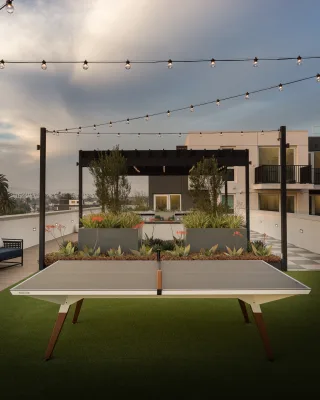
- Grills and outdoor dining: strong seasonal use, especially where units lack private outdoor space.
- In-unit laundry, storage and workable kitchens: used every day and noticed on every tour.
Amenities that photograph well but sit empty
Read more
Some spaces earn their keep in marketing images and on the tour, then see little use after lease-up. Demonstration kitchens with no events behind them, theater rooms, large game rooms, libraries with decorative books and formal lounges with deep sofas and no power outlets are the usual examples. None of them is wrong in principle. They struggle when nobody owns the programming or when the room is uncomfortable for the thing residents would actually do there.
A game room that doubles as a place to watch a match with friends will get used. A theater that has to be reserved, unlocked and explained probably will not. Before committing square footage, it helps to name the resident, the time of day and the activity. If the honest answer is that the room is mostly for the tour, consider shrinking it, merging it with a daily-use space, or giving that budget to the amenities in the first section.
Package rooms are now core infrastructure
Read more
Package volume has turned the mail area into one of the busiest rooms on site. The common setups are smart lockers, where carriers drop parcels and residents get a code, and staffed or access-controlled package rooms with shelving, sometimes combined. Each needs a plan for oversized items that will not fit a locker, overflow during peak shopping seasons, perishable deliveries where the operator chooses to accept them, and carrier access when the office is closed.
Location matters as much as capacity. A package room near the main entry and parking keeps traffic out of the leasing area and the clubroom. Durable flooring, wall protection, good lighting and a place to break down boxes, with recycling close by, decide whether the room stays orderly. When packages spill into the office, the cost shows up in staff time rather than on any budget line.
In-unit features compete with shared space
Read more
Residents spend most of their time in their apartment, so some money that goes to shared rooms might do more inside the unit. In-unit laundry, usable storage, a desk-friendly corner, good lighting and durable finishes affect daily life more than a lounge a resident visits occasionally. Private balconies or patios can also reduce demand for shared outdoor seating.
The two sides of the list should be planned together. A community with generous home offices in the units needs less coworking in the clubhouse. A property with compact units and no private outdoor space needs stronger shared outdoor areas and more varied seating. Treating the list as one budget, rather than two separate wish lists, usually produces a better result.
Matching the list to the resident profile
Read more
The same amenity can be essential in one community and ignored in another. Younger professionals in urban infill often prioritize fitness, work seating and social space near the entry. Suburban communities with more families may see heavier use of outdoor areas, pools and package rooms, and lighter use of a bar-style lounge. Pet ownership, car dependence, the share of residents working from home and how many units have private outdoor space all shift the mix.
Comparable property research turns this into decisions. Walk the nearby competition, note which amenities are standard in the submarket and which look tired or underused, and ask local managers what residents request. The goal is to cover the expected basics well and spend the remaining budget where the comps are weak, rather than adding one more room to match a list.
Designing for use, supervision and upkeep
Read more
Use depends on details residents notice within a minute: whether there is an outlet near the chair, whether the room is too bright or too dark at night, whether the fitness floor feels crowded, and whether anyone can see in. Spaces with some visibility from the leasing desk or a corridor tend to stay tidier and feel safer, while fully hidden rooms tend to collect clutter.
Upkeep is part of the same decision. Pet areas need drainage, durable surfaces and waste stations. Grill areas need prep counters, trash and cleanable finishes. Fitness rooms need flooring that handles dropped weights and cleaning. When a property team cannot reset a space quickly, the space slowly drifts out of use. The design side of that question is covered in more depth in our guide to designing multi family amenity spaces, and the clubroom gets its own treatment in the clubhouse article.
Checking use after opening
Read more
The amenity list should not be finished at opening. Access control logs, reservation records, package system reports and simple staff observation show which spaces are busy and which are quiet. Many operators find that small changes, such as adding power to a lounge, moving a few tables, extending hours or converting an unused room into storage or private work rooms, revive a space for modest cost.
Reviewing use once the community has stabilized also informs the next project. Owners who build more than one property can carry those lessons into the next program instead of repeating the same list.
Our Multi Family work
Read more
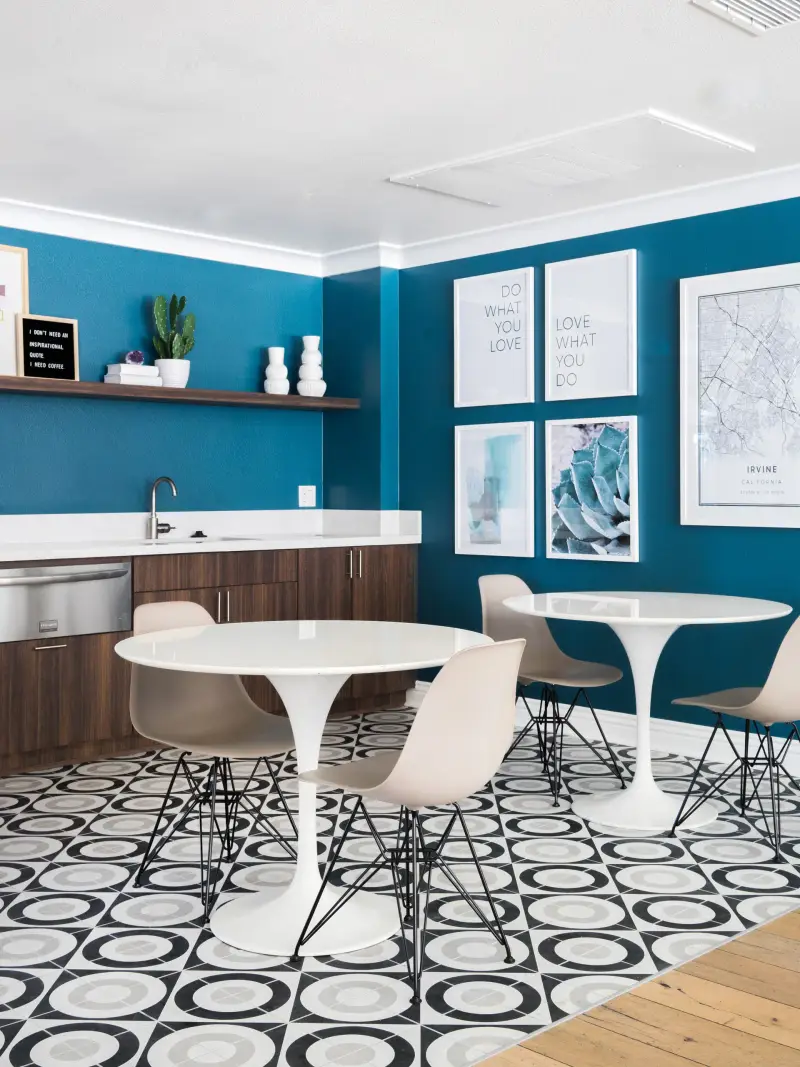
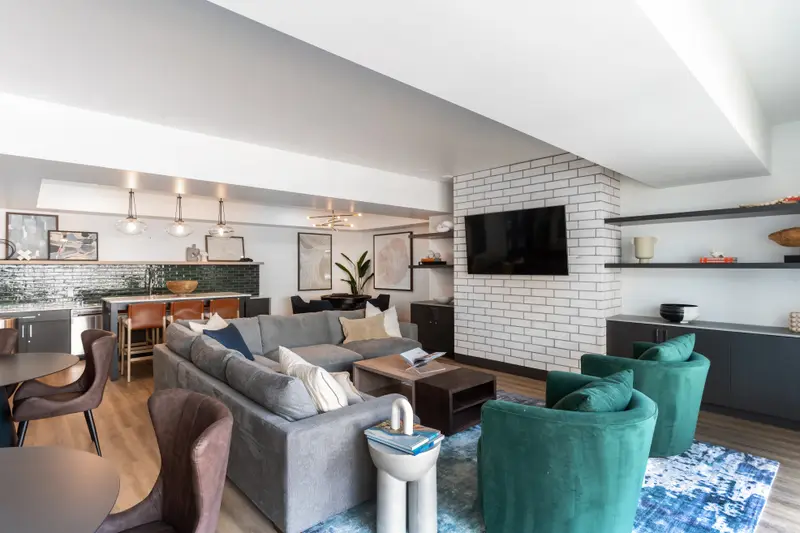
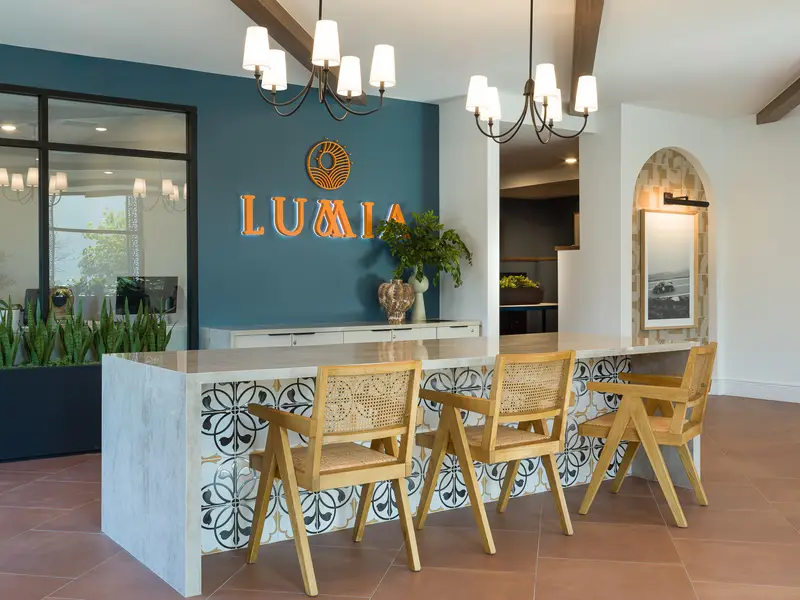
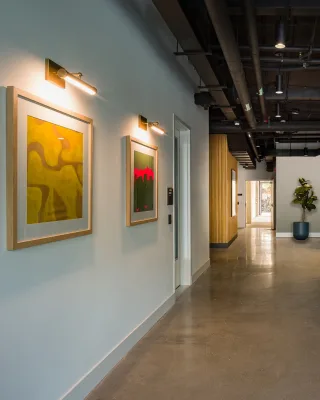
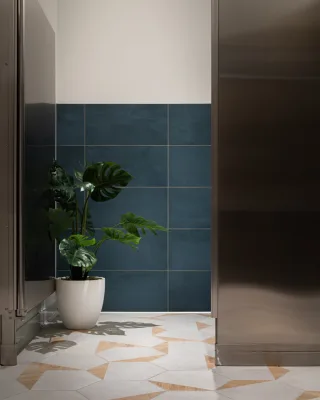
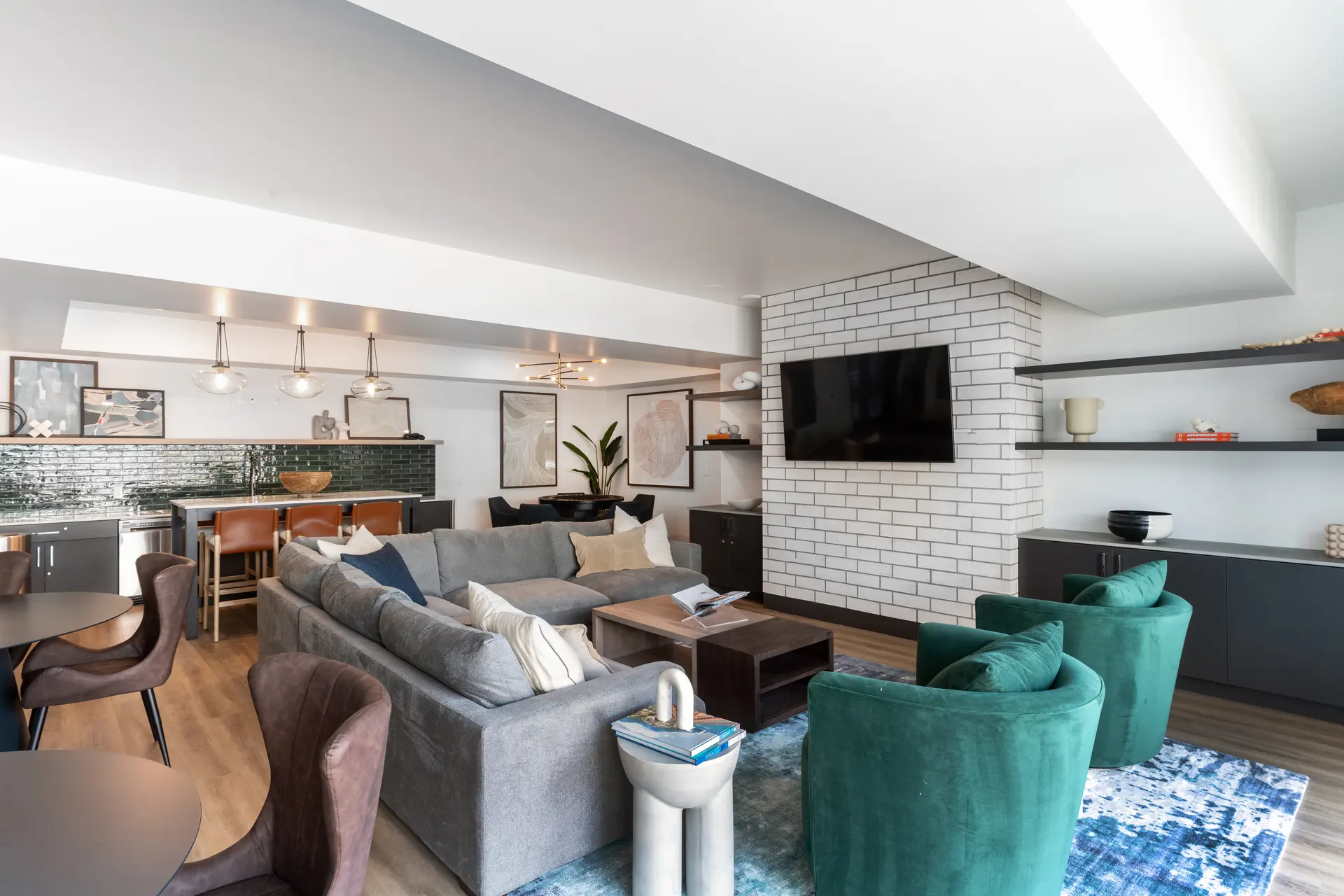
Level Up Interiors has completed multi family communities including Calypso in Irvine, Edgeway in Bellflower and Lumia in Azusa, California. Photos of those projects are in the multi family gallery.
By the Level Up Interiors team. Published 2026-10-10.