What the three letters cover
Read more
Furniture is the largest and most obvious part: seating, tables, desks, casegoods, beds and lounge pieces. Fixtures, in the FF&E sense, are decorative items that may attach to the building but are specified with the furnishings rather than with the base construction, such as decorative pendants and lamps, mirrors and wall-mounted art. Equipment covers freestanding or plug-in items selected for how a room is used, such as televisions in a clubroom or a coffee brewer in a leasing lounge, depending on how the owner splits the scope.
A practical test helps on borderline items. If a piece is chosen for comfort, use, merchandising or guest experience, and it can be bought, received, placed and later replaced without demolishing anything, it usually belongs in the FF&E conversation.
- Seating, tables, desks, casegoods and lounge groupings in common areas, amenity spaces, models and guest-facing rooms
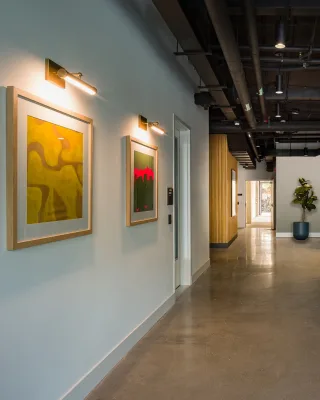
- Art, wall decor, mirrors and accessories that finish the room
- Decorative lighting and window treatments when the owner assigns them to the furnishings package
- Attic stock: extra pieces or fabric the owner keeps for future repairs and replacements
Where FF&E stops and construction begins
Read more
Construction scope is part of the building and is bid and built through the general contractor and trade subcontractors: walls, flooring, plumbing fixtures, built-in millwork, power and lighting circuits. FF&E is bought and installed through a separate purchasing process, even though it has to fit the construction drawings and the site.
The gray zone is real. Built-in banquettes, decorative light fixtures, window coverings, area rugs and specialty equipment can land on either side depending on the contract. A pendant might be specified by the designer, purchased as FF&E and installed by the electrician. The label matters less than five answers written down for each item: who approves it, who buys it, who receives it, who installs it and who handles a claim if it arrives damaged or does not fit.
FF&E is not the same as OS&E
Read more
OS&E stands for operating supplies and equipment: the items a property needs to run day to day, such as linens, dining smallwares, housekeeping carts and service supplies. FF&E sets up the room; OS&E lets staff operate it. The split matters most in hotels and senior living, where both categories have to arrive in the same opening window but are often bought by different teams. The companion article on FF&E vs OS&E walks through examples by property type and who usually buys each.
How a per-unit or per-key allowance is built
Read more
Owners often want one number per apartment unit, per bed or per hotel key. That number is useful for comparing projects only if it is built from the bottom up rather than carried over from the last deal.
The method starts with a scope map: which spaces are included, which items the owner is providing, which items construction is carrying and which are optional. Quantities then come from the plans and the program, such as unit and room counts, amenity layouts and seat counts. Each item gets a quality tier and a note on whether it is stock or custom. Only after that does the team add the costs that sit outside the product price: freight, receiving and inspection, storage, delivery, assembly and installation labor, sales tax where it applies, and a contingency for substitutions and changes.
Dividing that total by units, beds or keys produces the allowance. The value of doing it this way is that every later change can be traced to a specific space or decision instead of an unexplained jump in a single figure. The multi family FF&E budget article goes further into this method for apartment communities.
How FF&E changes by property type
Read more
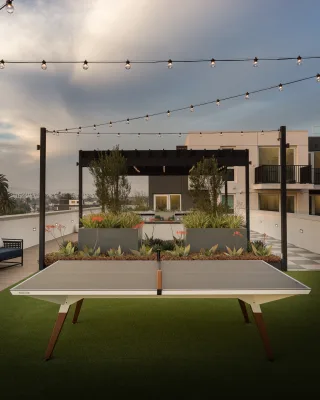
Multi Family FF&E concentrates in the leasing office, lobby, clubroom, coworking, fitness and outdoor amenity areas, plus model units used for tours. Student housing often adds furnished units, so bed, desk and seating packages are multiplied across the building and durability through annual turnover drives the selections. In senior living, common-area furniture has to suit residents getting in and out of seats and moving with walkers, and residents frequently bring their own furniture to their apartments, so the scope leans toward dining, lounges and activity rooms. Hotels carry the broadest FF&E scope because every guestroom is furnished by the owner, and the package is often governed by brand standards.
Who procures it
Read more
FF&E can be bought by the owner directly, by a purchasing agent, by the general contractor or by the interior design firm that specified it. What matters is that one party owns the whole path from purchase order to installed room, because the risks sit in the handoffs: an approved chair that is discontinued, a lead time that slips past the opening date, a delivery that arrives before there is anywhere to store it. When specification and purchasing are split between parties, the owner should decide in writing who resolves substitutions and freight damage. The step-by-step purchasing process, from purchase orders through closeout, is covered in the FF&E procurement, logistics and installation article.
Mistakes that cost time and money
Read more
Most FF&E problems start in the first budget. The common ones are pricing product only and leaving out freight, storage and labor; approving a concept before quantities are counted; deciding late who will purchase; and treating installation as a delivery date rather than a coordinated day on site.
A few habits prevent most of them. Give every item a decision owner and a purchasing status. Tie every room to a readiness date and an access plan. Review substitutions for size, finish, durability, lead time and cost, not just color. Start FF&E planning while space planning is still moving, so furniture sizes can inform outlet locations, wall blocking and clearances instead of being forced to fit them.
Where Level Up Interiors fits
Read more
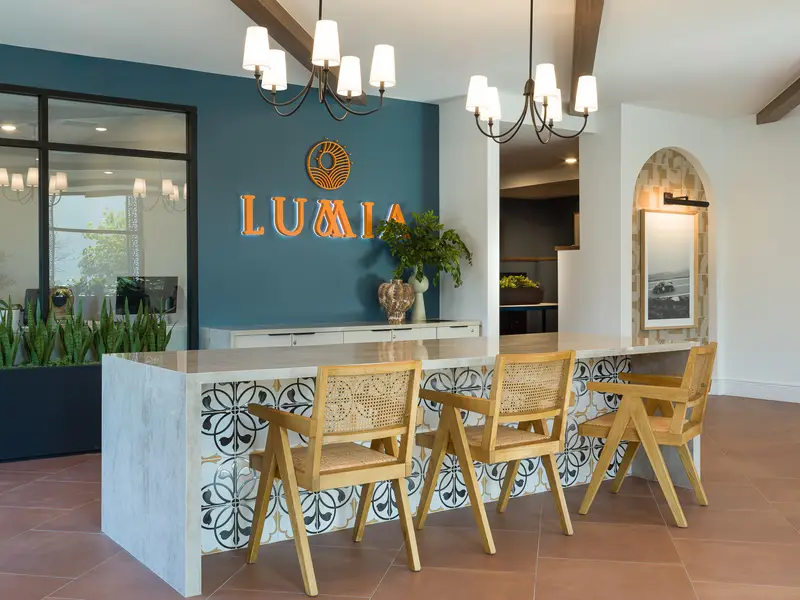
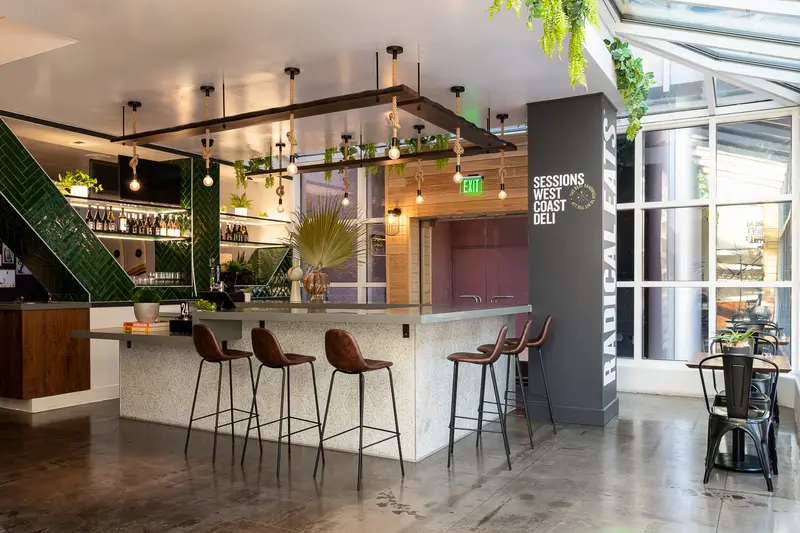
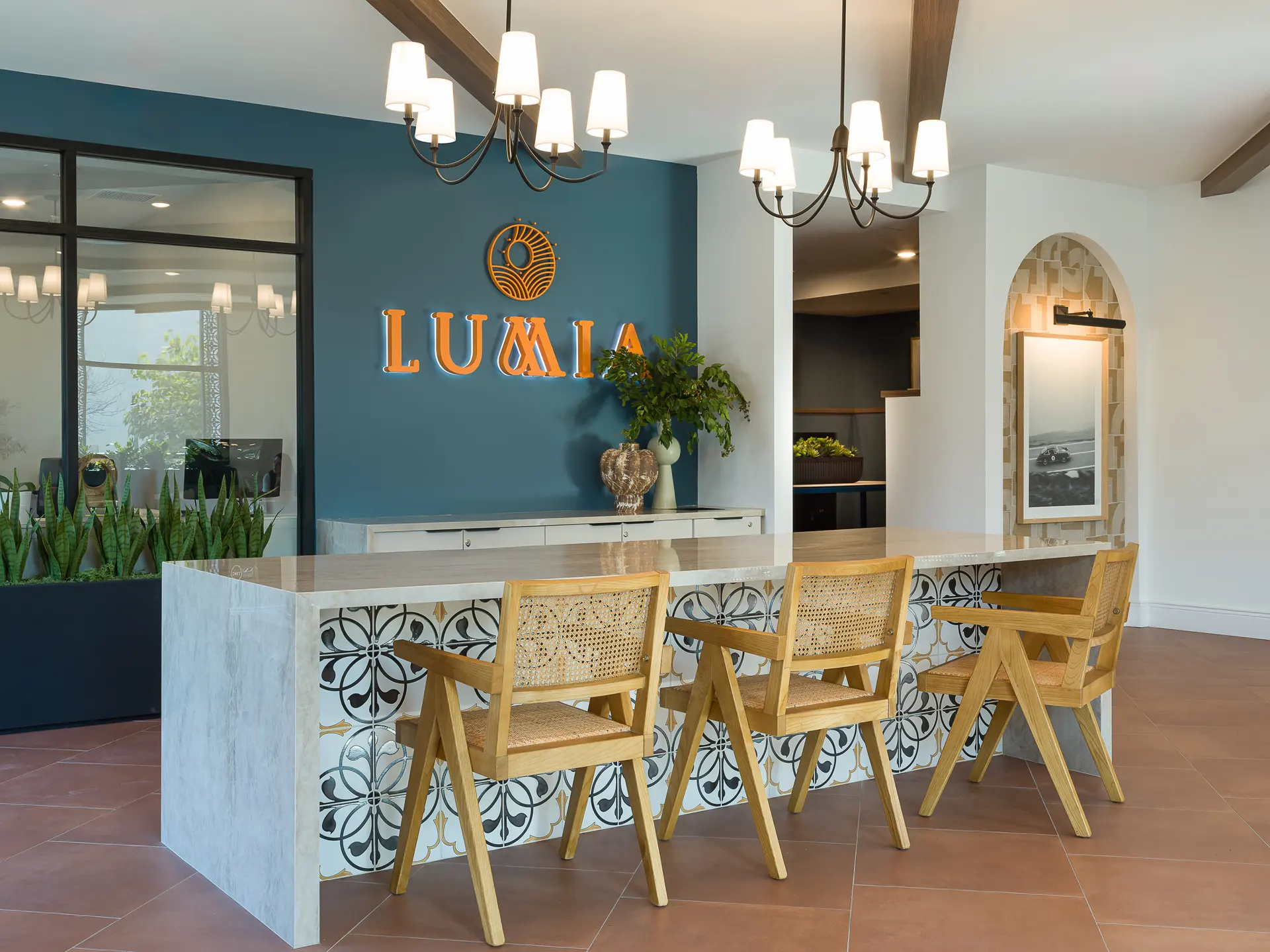
Level Up Interiors selects, procures and installs FF&E for commercial properties, with designers on site at installation. Completed work includes Lumia, a multi family community in Azusa, California, and Sessions, a hospitality venue at South Coast Plaza in Costa Mesa, California.
By the Level Up Interiors team. Published 2026-10-10.